
Exploring Medinet Habu: Egypt’s Hidden Jewel of Pharaonic Splendor
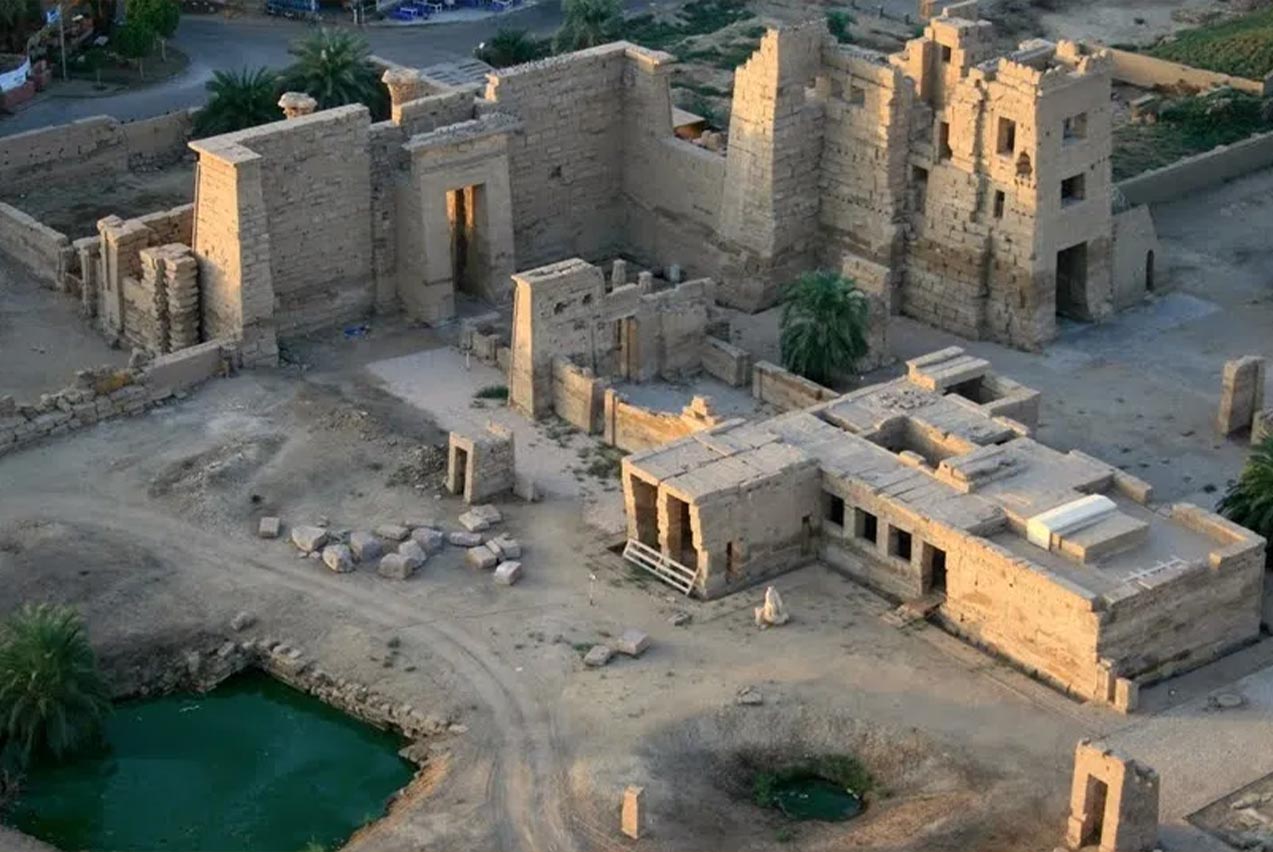
In the heart of ancient Thebes on the west bank of the Nile lies Medinet Habu, an archaeological marvel that stands as a testament to the grandeur of Pharaonic Egypt. Often overshadowed by its more famous neighbor, the Valley of the Kings, Medinet Habu encompasses a vast complex of temples and structures that reveal the cultural and historical richness of this once-thriving city. In this comprehensive exploration, we embark on a journey through time to unveil the mysteries and magnificence of Medinet Habu.
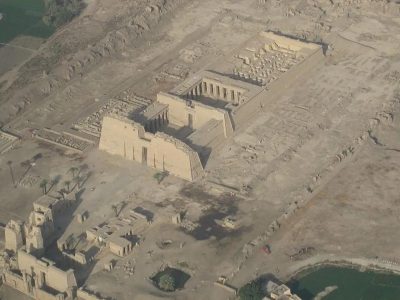
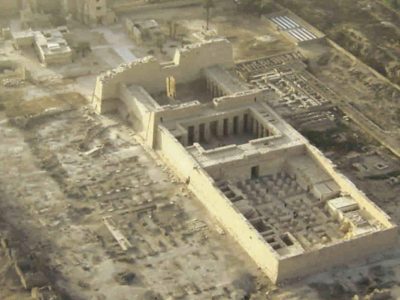
1. Historical Significance: Medinet Habu, meaning “City of Habu,” served as a significant administrative and religious center during the New Kingdom period (1550–1070 BCE). The site is dominated by the Mortuary Temple of Ramesses III, the last great pharaoh of the 20th Dynasty. The temple complex provides invaluable insights into the religious rituals, architectural prowess, and societal dynamics of ancient Egypt.
2. Mortuary Temple of Ramesses III: The crowning jewel of Medinet Habu is the Mortuary Temple of Ramesses III, a sprawling complex that rivals the more famous temples in Luxor. This well-preserved structure boasts impressive pylons, expansive courtyards, and intricately adorned walls that narrate the pharaoh’s military triumphs and religious ceremonies.
Pylons and Courtyards: Approaching the temple, visitors are greeted by massive pylons adorned with detailed reliefs depicting Ramesses III’s victories over foreign invaders. Beyond the pylons, vast courtyards unfold, inviting exploration of the various halls, sanctuaries, and chambers within the temple complex.
Wall Reliefs and Inscriptions: The walls of the Mortuary Temple are adorned with vivid reliefs and hieroglyphic inscriptions that provide a visual narrative of the pharaoh’s reign. Scenes depicting military campaigns, religious ceremonies, and divine offerings offer a glimpse into the multifaceted aspects of Ramesses III’s rule.
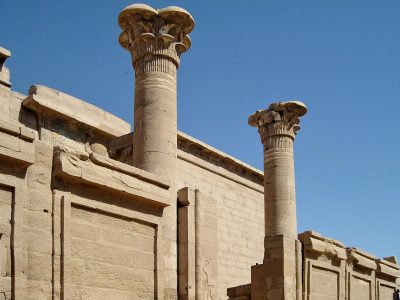
3. The Ramesseum: Adjacent to the Mortuary Temple of Ramesses III lies the Ramesseum, a massive funerary temple built by Ramesses II. Often overshadowed by its grander neighbor, the Ramesseum still commands attention with its colossal statues and remnants of the original structure.
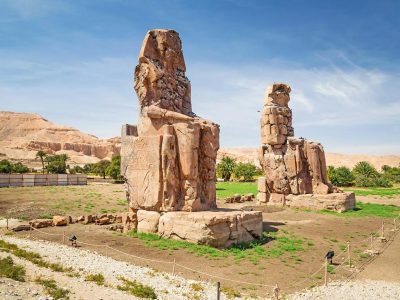
Colossal Statues of Ramesses II: The Ramesseum is renowned for its colossal statues of Ramesses II, including the iconic fallen statue that inspired Percy Bysshe Shelley’s poem “Ozymandias.” These immense sculptures showcase the pharaoh’s penchant for grandiose representations of his power and divinity.
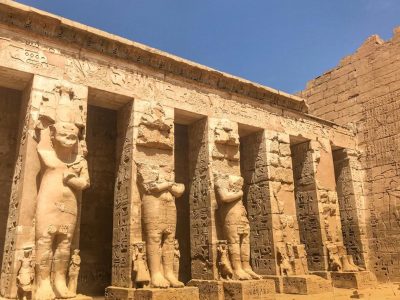
4. The Temple of Amun: Medinet Habu also houses the Temple of Amun, dedicated to the king of the gods. While smaller in scale compared to the Mortuary Temple of Ramesses III, the Temple of Amun features well-preserved reliefs and sanctuaries that highlight the religious fervor of the New Kingdom.
Barque Shrine and Hypostyle Hall: Within the Temple of Amun, a barque shrine and a hypostyle hall stand as architectural gems. The barque shrine served as a sacred space for housing the divine boat during religious ceremonies, while the hypostyle hall with its towering columns added a majestic dimension to the temple.
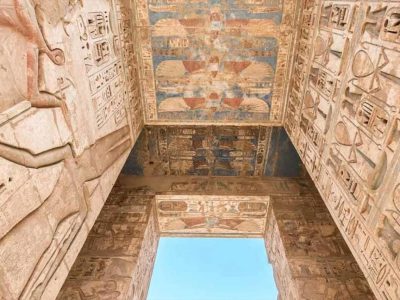
5. Medinet Habu as a Living Site: Beyond its role as a funerary and religious complex, Medinet Habu also served as a thriving city with residential areas, administrative buildings, and artisan workshops. The site provides a rare glimpse into the daily life of ancient Egyptians beyond the grand temples.
Residential Quarters: The presence of residential quarters within Medinet Habu indicates that the site was not solely a place of worship but also a bustling community where priests, officials, and their families lived. The layout of these residences sheds light on the social structure of the time.
Workshops and Industries: Artisan workshops discovered at Medinet Habu reveal the various industries that supported the city. From pottery and metalwork to textiles, these workshops highlight the craftsmanship and economic activities that sustained the community.
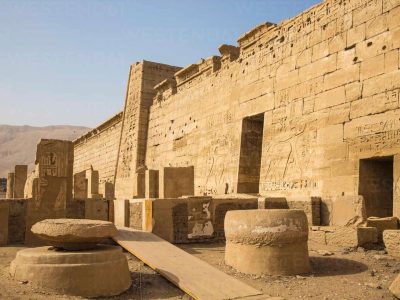
6. Modern Discoveries and Ongoing Research: Medinet Habu continues to be a source of archaeological discoveries, with ongoing excavations uncovering new facets of this ancient city. Modern technologies, including ground-penetrating radar and 3D modeling, aid researchers in unraveling the secrets buried beneath the sands.
Conservation Efforts: Preserving the architectural and artistic treasures of Medinet Habu is a priority for Egypt’s Ministry of Antiquities. Conservation efforts aim to safeguard the structures from environmental factors and ensure that future generations can marvel at the site’s splendor.
7. Visitor Experience: For modern-day explorers, a visit to Medinet Habu offers a unique opportunity to step back in time and immerse oneself in the ambiance of ancient Egypt. The well-preserved reliefs, towering structures, and the sense of mystery that pervades the site make it a must-visit destination for history enthusiasts and travelers alike.
Guided Tours: Knowledgeable guides provide insights into the historical context, architectural significance, and cultural nuances of Medinet Habu. Their expertise enhances the visitor experience, offering a deeper understanding of the site’s multifaceted history.
Interactive Exhibits: Some areas of Medinet Habu feature interactive exhibits, allowing visitors to engage with the history and significance of the site. These exhibits often include multimedia presentations and informative displays that enrich the overall exploration.
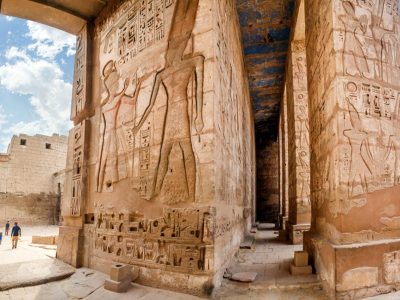
Conclusion: Medinet Habu, with its grand temples, intricate reliefs, and echoes of daily life, stands as a hidden jewel within the tapestry of ancient Egypt. This archaeological marvel invites us to unravel the mysteries of a bygone era, where pharaohs walked among gods, and bustling cities thrived on the banks of the Nile. As we explore the Mortuary Temple of Ramesses III, the Ramesseum, the Temple of Amun, and the remnants of a once-thriving community, Medinet Habu emerges not just as a historical site but as a living testament to the enduring legacy of Pharaonic splendor.

Comment (0)